By DERON SNYDER (as published in The Washington Times)
Training camp is upon the Washington Redskins, a perfect time to check off some items on my “TIDU List” – Things I Don’t Understand:
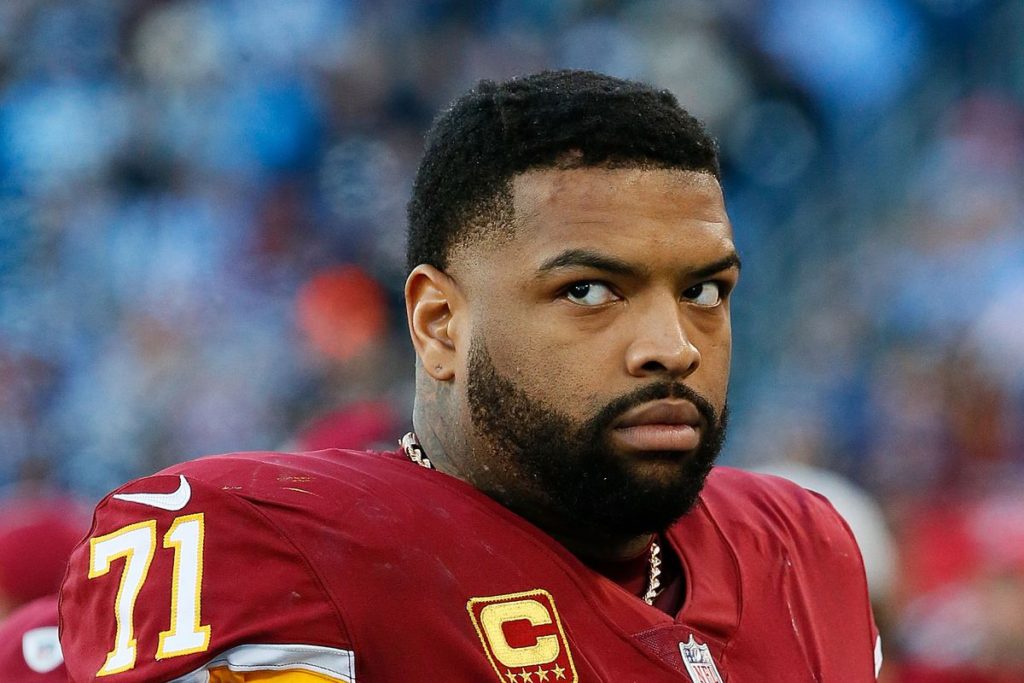
*I don’t understand how Trent Williams merits a new deal.
The
All-Pro tackle signed a five-year extension in 2015, becoming the NFL’s
highest-paid offensive lineman. He has held up his end as multiple O-linemen
passed him in salary, but that’s not the Skins’ fault (unlike their medical
care). At 31, with mounting injuries and two years left on his contract,
Williams is compensated fairly.
But
he knows how leverage works and he’s positioned to apply it.
*I don’t understand why Mason Foster’s agent is upset.
Blake
Baratz accused the Skins of having “zero good faith” because they cut his
client the day before camp opened. “I expect more from @nfl and certain
organizations in particular, we can be better,” Baratz wrote on Twitter. Is he
high? NFL teams are notoriously ruthless in their personnel decisions, routinely
releasing players before, during and after training camp.
July
23 beats Aug. 31 (final cuts) if the axe is coming anyway.
*I don’t understand how Adrian Peterson is totally blameless.
By DERON SNYDER (as published in The Washington Times)
Having
taken nearly four months to find a replacement for Ernie Grunfeld, Washington
Wizards owner Ted Leonsis proved he wasn’t following the traditional path.
Now,
with the announcement of several new hires and roles within the organization, the
extent of Leonsis’ unconventional thinking is clear: He didn’t just want a new builder
to lead the front office.
He
wanted a totally new blueprint for the front office.
In
Brooklyn, Los Angeles, New Orleans, and other outposts, NBA fans are excited about
big-time players acquired via free agency, trades or the draft. They’re envisioning
how the additions fit into new starting lineups. They’re contemplating how the revamped
rotations might look.
In
D.C., we’re left to digest the Wizards’ new org chart.
That’s
not nearly as flashy or appealing, but it’s a start. At least Leonsis has taken
the first step (second if you start with dumping Grunfeld) in the however-long
journey toward title contention.
In
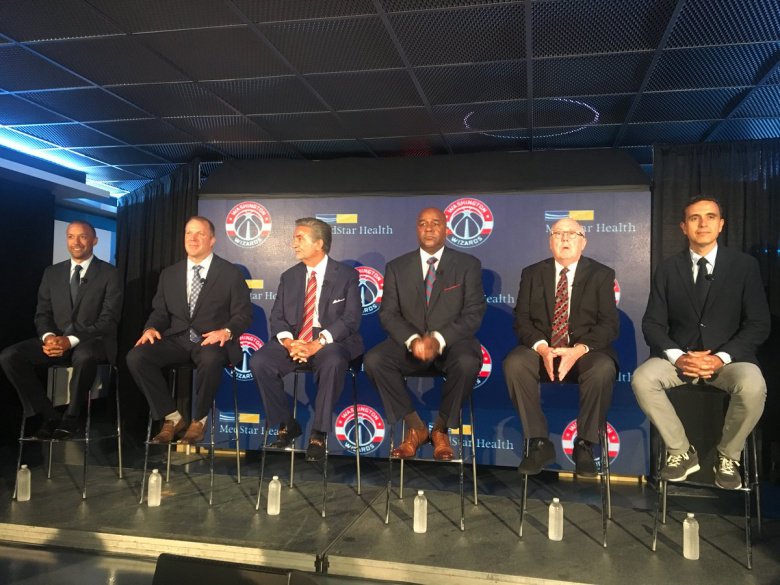
removing the interim tag from general manager Tommy Sheppard, while hiring former
Cleveland Browns executive Sashi Brown, former Georgetown coach John Thompson
III and former Philadelphia Sixers/FC Barcelona team physician Daniel Medina,
Leonsis wasn’t thinking outside the box.
He
was thinking far outside the four walls surrounding the box.
By DERON SNYDER (as published in The Washington Times)
Wizards
first-round pick Rui Hachimura doesn’t come close to teammate John Wall’s
social media presence, trailing the injured guard by nearly 1.8 million Twitter
followers.
Hachimura
isn’t tops among his draft class, either. That honor belongs to No.1 overall
selection Zion Williamson, who has 388,000 Twitter followers to Hachimura’s
113,000.
But,
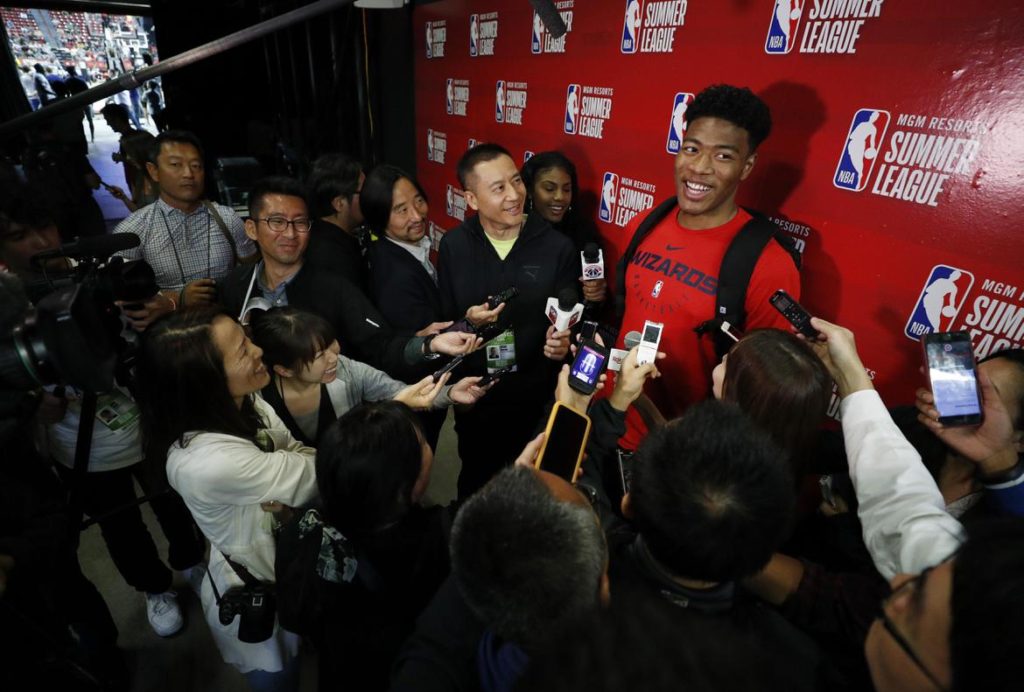
internationally speaking, Hachimura is arguably the NBA’s most popular rookie and
already one of the league’s most popular players regardless of experience. His adherents include about 127 million
people, the entire population of Japan.
“Rui
is huge right now,” Kyodo News reporter Akiko Yamawaki tells ESPN’s The
Undefeated. “He has television cameras following him everywhere. He’s just not
on the sport news, but he is even on the news in Japan during the daytime at 2
o’clock or 3 o’clock when only housewives are watching TV. I think most of
Japan knows who he is.
“When
you open the newspaper in Japan, he is there all the time now. Before, only
sports fans knew of him. Everybody knows (MLB superstars) Ichiro and Ohtani.
Now Hachimura, everybody knows.”
Earning
recognition domestically will be a much slower, more drawn-out process. But the
6-foot-8 Japan native took a step Monday when he was named to the All-NBA
Summer League Second Team. In his three
games, Hachimura averaged 19 points and seven rebounds.
Perhaps
not coincidentally, the Wizards were 2-1 with him and 0-2 without him.
By DERON SNYDER (as published in The Washington Times)
There’s
nothing wrong with home runs, per se.
Even
pitching legends Greg Maddux and Tom Glavine agreed during a 1999 Nike
commercial that featured Mark McGwire hitting prodigious moon shoots during batting
practice, drawing oohs and aahs from dreamy-eyed admirers including Heather
Locklear.
The
Cy Young winners and eventual Hall of Famers hit the gym in an effort to add
muscle. They ran the stadium steps to improve their conditioning. They hacked away at balls on tees to refine
their batting stroke.
“Chicks
dig the long ball,” Maddux surmised correctly.
The
gender specificity was unnecessary.
Spheres
traveling a great distance through the air have always been certified crowd
pleasers in sports. Long home runs in baseball. Long passes in football. Long
three-pointers in basketball. Long drives in golf.
What’s
not to like about majestic flight paths that result in runs, touchdowns, swishes
or a hole-in-one? They’re veritable things of beauty.
However,
a sport can’t survive on long balls alone. Too many, especially at the expense
of medium and short plays, would make the game monotonous. There needs to be a
variety of actions, with singles, screens, lay-ups and putts added to the mix.
By DERON SNYDER (as published in The Washington Times)
An NBA superstar can drastically change a team’s fortunes all by himself. The same isnt’ true of elite players in football and baseball.
Star
quarterbacks and pass rushers are on the sideline for nearly half the game. They’re
among 22 starters (not counting specialists and special teamers). In baseball, aces’
contributions are limited to roughly three games every two weeks, while sluggers
get about four at-bats per contest. They’re among nine starters (10 in the American
League).
But
top NBA players are just one-fifth of their starting lineups. They have the ability
to be on court for 80 percent of the game, or more. Their impact is clear,
significant, and immediate.
Rookie
LeBron James led Cleveland in scoring and minutes played – and was second in
assists – in 2003-04, when the Cavaliers won 35 games after winning just 17 the
year before. Last season, Dallas won nine more games than the previous campaign,
paced by NBA Rookie of the Year Luka Doncic, who merely led the team in scoring
and assists, while ranking second in rebounds and minutes.
We’re
accustomed to the outsized power and influence NBA stars wield on the hardwood.
But
we’re just getting used to the command they can exert in a front office, essentially
wresting their career paths from general managers.
By DERON SNYDER (as published in The Washington Times)
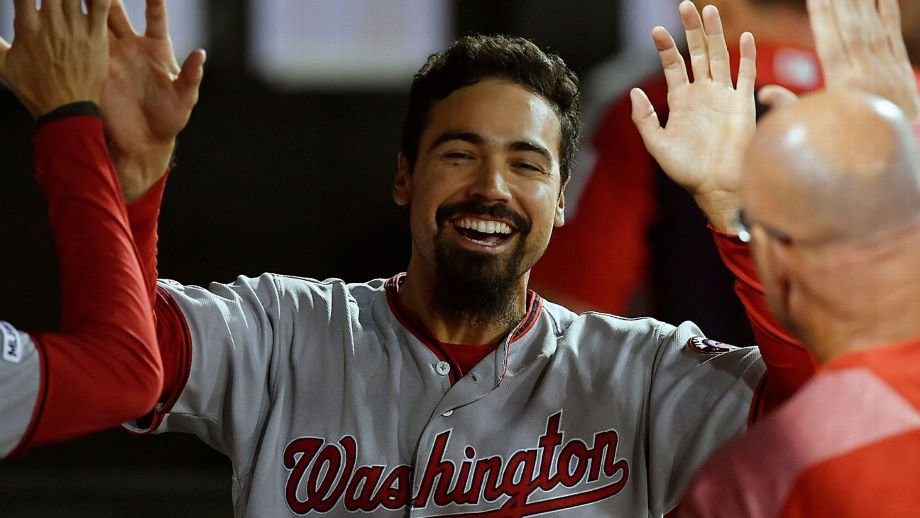
After
playing at an All-Star level throughout his career, Anthony Rendon is finally
an All-Star. But he might choose to stay home instead of participating in the
All-Star Game.
No
problem here if he does.
The
Washington third baseman has been overlooked and underrated despite ranking 12th
among major-league position players in Wins Above Replacement since his first
full season (2014). Fans have never rewarded
him in the popular vote, hardly a surprise considering he draws attention to
himself like the Miami Marlins draw fans to their ballpark. It’s harder to explain
why he wasn’t named as an All-Star reserve before this season.
MLB’s
silly rule that every club must be represented – baseball’s equivalent of participation
awards – certainly hasn’t helped.
Yes,
the recognition would be nice, as everyone wants to be respected by their peers.
However, the four-day break has been wonderful to Rendon, a chance to escape
the grind for rest, relaxation and recovery, far from adoring fans and inquisitive
reporters with no requests for autographs, photos or interviews.
Earlier
this season, Rendon said he’d “love to be an All-Star, but without going, if
that’s possible.” He was half-joking and half-dead-serious.
Well,
it’s quite possible. And if his preference is another mini-vacation opposed to his
first Mid-Summer Classic, he should go for it, though his manager begs to
differ.
By DERON SNYDER (as published in The Washington Times)
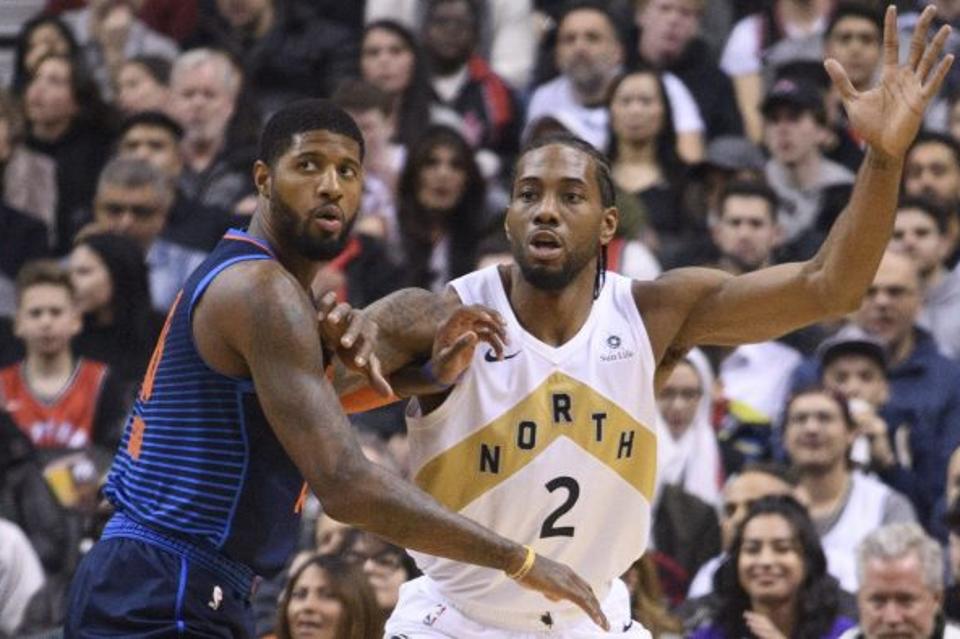
Toronto
won the NBA championship, but that’s nothing compared to what Brooklyn just
pulled off. Someone needs to call the Guinness Book of Records.
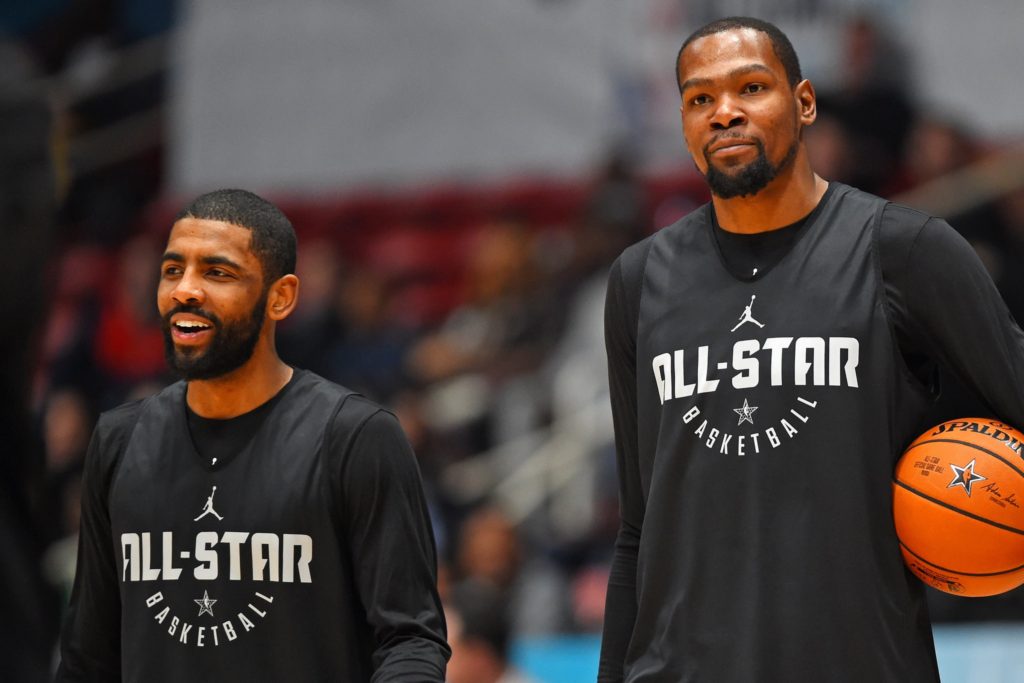
In
what must to be the fastest negotiations in pro sports history, the Nets
acquired Kevin Durant and Kyrie Irving as soon as the clock struck 6 p.m. on Sunday,
when teams were given the all-clear to strike deals with free agents. Durant’s and
Irving’s reported four-year contracts fell into place so quickly, the ink was
still wet at 6:01 p.m.
If
we didn’t know better, we’d think the parties had worked out the details prior
to the negotiation period. But that’s
not possible (wink-wink). By league rules, teams are permitted to communicate
with free agents and their representatives beginning at 6 p.m. on June 29 –
solely for the purpose of scheduling a meeting to take place at or after 6 p.m.
on June 30.
NBA
teams often set speed records when free agency begins, and Brooklyn wasn’t the
only example Sunday. In a flash, Kemba Walker was donning Celtics green, J.J.
Redick was looking at property in New Orleans, and Terry Rozier taking Walker’s
place in Charlotte.
A
number of free agents quickly re-signed with their current teams, including Khris
Middleton (Milwaukee), Nikola Vucevic (Orlando) and (Sacramento). But maybe
they shouldn’t count here. You can’t tamper with your own player, right?
By DERON SNYDER (as published in The Washington Times)
Training
camp starts in five weeks for Washington, but we can’t help looking ahead.
Speculating isn’t just fun, it’s also a terrific way to kill time and feed the media
beast. Insatiable NFL fans would die of hunger without the year-round buffet of
opinion, conjecture and guesswork.
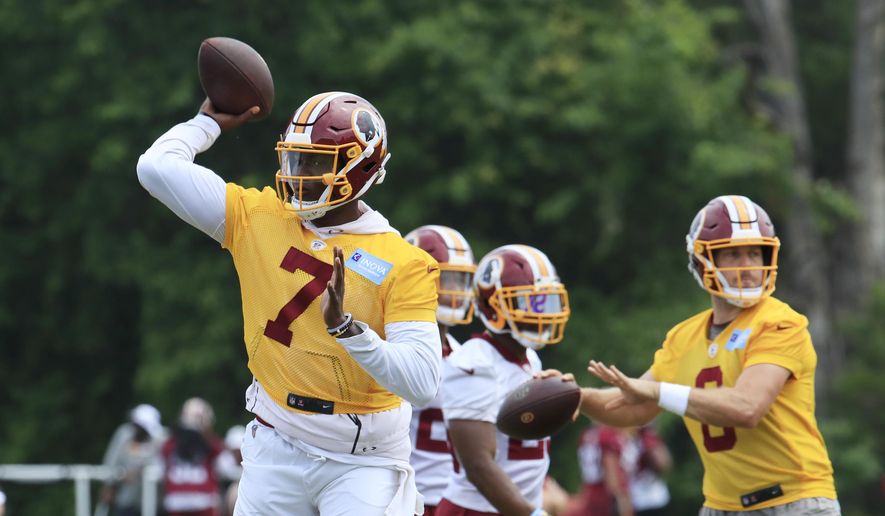
The
main course in D.C. is rookie Dwayne Haskins, whose position in the draft and
on the field make him the subject of national attention. The clock for
first-round quarterbacks starts ticking the moment they shake hands with commissioner
Roger Goodell, commencing a start-or-sit debate that can continue through the
entire regular season.
Consider
two rookie QBs in 2017.
Kansas City’s Patrick Mahomes didn’t play until getting the start in Week 17, a meaningless game for the Chiefs’ playoff standing. Mahomes then started every game last year and won the league’s MVP award. Conversely, Houston’s Deshaun Watson was slated for bench duty but entered the season-opener at halftime. He threw 19 touchdown passes in his first seven games, immediately raising doubts about coach Bill O’Brien’s thought process.
Reducing
Mahomes to a spectator his first year worked out pretty well.
Allowing
Watson to play from the get-go netted positive results, too.
The
right course of action for teams and rookie QBs – including Washington and
Haskins – isn’t one-size-fits-all. But that doesn’t stop us from sharing hunches.
By DERON SNYDER (as published in The Washington Times)
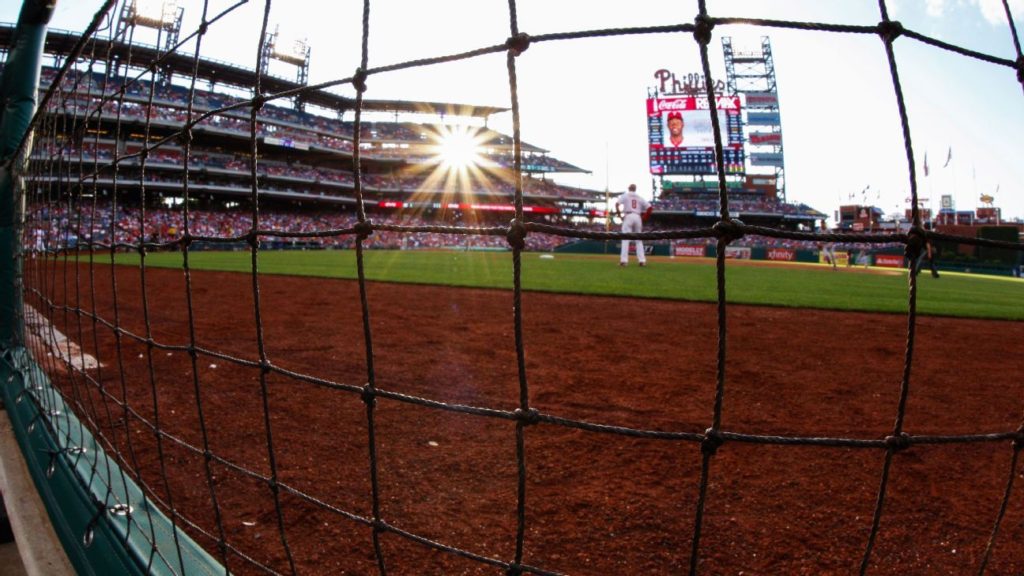
Maybe someone else has to die.
Maybe
another fatality would give baseball the kick-in-the-pants it needs to require protective
netting that extends down the foul lines in every ballpark.
Clearly,
it’s not enough that a 4-year-old girl was struck and injured by a foul ball last
month in Houston, a frightful experience that left Cubs outfielder Albert
Almora Jr. visibly shaken. If that horrific accident didn’t inspire a new
policy from commissioner Rob Manfred, you have to wonder if anything will do
the trick.
Anything
short of another death.
Sunday
at Dodger Stadium, a young woman was struck in the head by a foul ball and
taken to the hospital. Dodger Stadium happens to be the venue where a 79-year-old
woman was struck by a foul ball in August and died from her traumatic head
injury four days later.
On
Sunday, Dodgers outfielder Cody Bellinger placed his hand on his head and
gasped as he stared into the stands where the young woman sat, just beyond the
protective netting. “I saw it literally hit her face,” he told reporters
afterward. “It was tough.”
Tough.
That’s
essentially what MLB tells fans who might be struck by projectile travelling over
100 miles per hour.
By DERON SNYDER (as published in The Washington Times)
Six
days. That’s how long it took to turn the entire NBA upside down.
Six
days. Plus one ruptured Achilles tendon, one torn ACL and one blockbuster
trade.
Uncertainty
was rampant as the offseason neared, even before the sudden turn of events that
included Toronto ending Golden State’s reign. Plenty of intrigue still exists –
especially around the decision facing Finals MVP Kawhi Leonard. But new,
unimaginable questions have surged to the fore.
Instead
of simply wondering where Kevin Durant will go if he leaves the Warriors, we also
must ponder his likely drop-off as a 31-year-old returning from Achilles
surgery. Instead of just weighing the odds that Klay Thompson would re-sign with
Golden State, we’re also forced to consider the ramifications created by his
knee injury.
And
instead of mulling whether the Warriors should be favored or merely co-favored to
reach a sixth consecutive Finals next season, we have to contemplate them possibly
missing the playoffs altogether … while the Los Angeles Lakers make a title run?
 Follow