The “back in my day” crowd never dies. It’s reproduced generation after generation, filled with members who diminish and dismiss “kids these days.”
There’s no shortage of complaints from the old school. Life was harder but they’re better off as a result: tougher, smarter and more disciplined. They understood concepts like decency and order, had better fashion sense and possessed a superior work ethic. The old way was always right even when grownups were abusive. Eff your feelings.
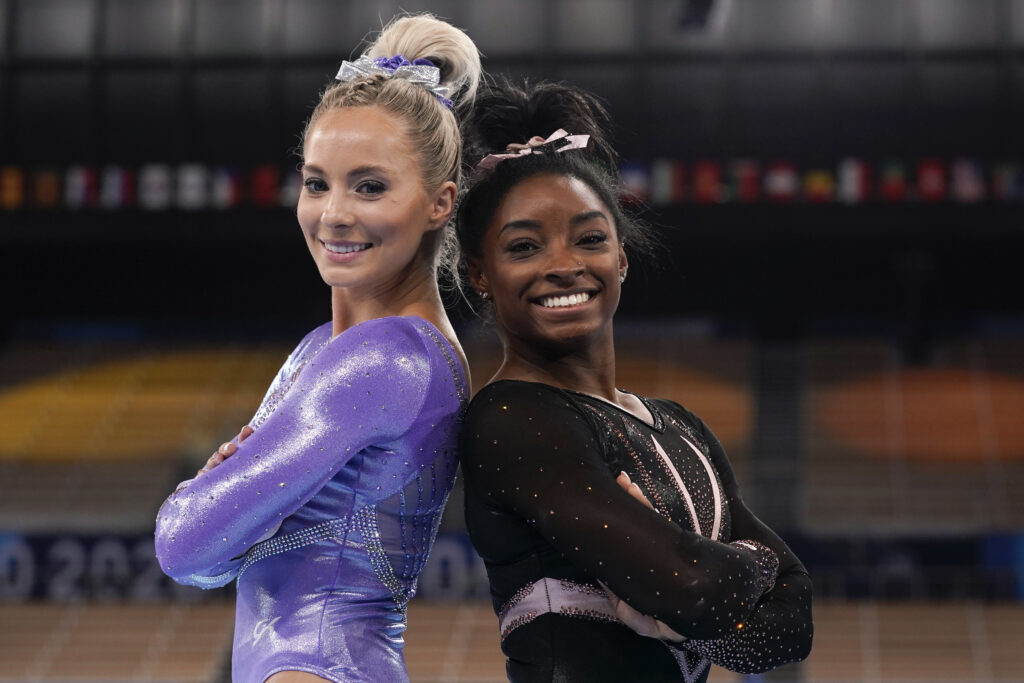
That must’ve been MyKayla Skinner’s mindset recently when she criticized the gymnasts — except Simone Biles – on Team USA’s 2024 Olympics squad. Skinner, who despite her first name has zero melanin, won a silver medal in the 2020 Tokyo Games and didn’t try out this time. At 27 years old, she’s ancient for a gymnast, and she sounded like a geezer late last month on a since-deleted two-hour YouTube livestream:
There’s never been a better time for young athletes with the potential to play in college. And life keeps getting sweeter for them.
After gaining the right to monetize their name, image and likeness (NIL) three years ago, athletes like Colorado quarterback Shedeur Sanders and teammate Travis Hunter have deals worth millions. Last month, Florida joined over 30 states that give high school athletes the same right to make NIL money.
In May, the NCAA and five power conferences agreed to a $2.8 billion settlement that allows schools to make direct payments to players, which has been taboo since the NCAA’s founding in 1906. If the deal stands, young athletes will enjoy dual revenue streams, checks from school and checks from sponsors.
They enjoyed another victory last week, easing a concern for those who indulge: The NCAA no longer bans weed.
LeBron James must really be the greatest of all time. He’s the only NBA player in history who persuaded his team to sign his son so they can hoop together.
Take that, Michael Jordan.
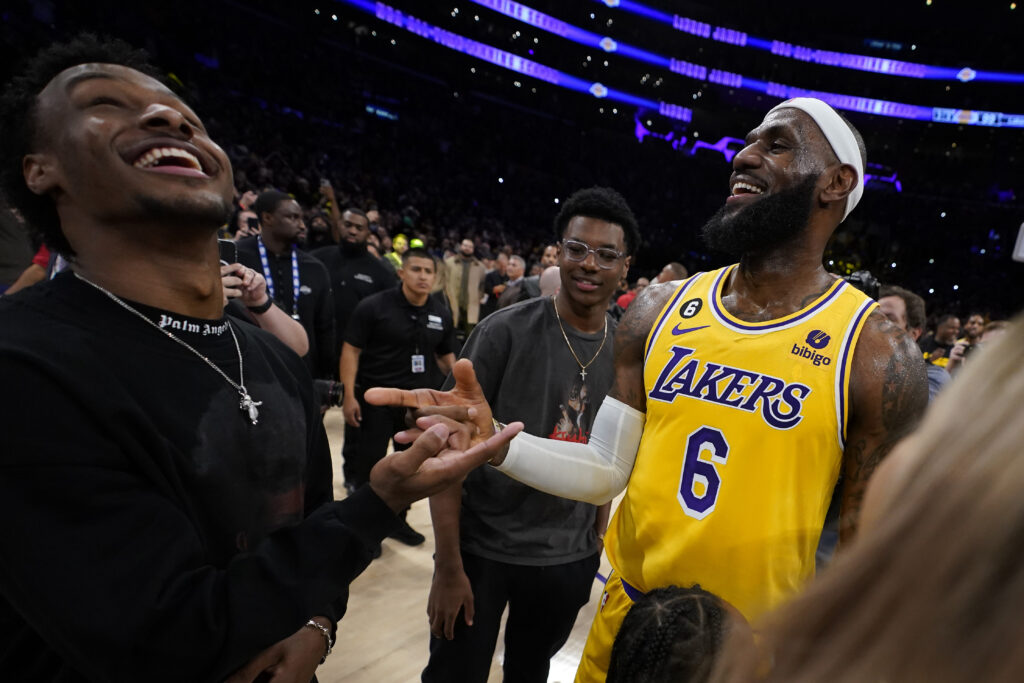
I still have MJ as the GOAT. But I can’t help marveling at LeBron’s remarkable journey, which now overlaps with his oldest son’s path. Bronny James became the most famous second-round pick ever when the Los Angeles Lakers selected him 55th overall in Thursday’s draft.
Generations of Black folks have been subjected to false information, from textbooks saying slaves were happy to eccentric relatives who claim every white man is evil. Historically, the truth of our American experience is bad enough, yet it’s typically yeasted with unnecessary conspiracy theories, old wives’ tales and urban legends.
Those who consistently deliver false knowledge don’t always intend to mislead the audience. Ignorance is often the driving force. But they peddle misinformation.
That’s not what we’re talking about here. We’re talking about wicked institutions and individuals – white and Black – who constantly and purposely repeat false or misleading statements with an ulterior motive. Those vile actors know they’re selling poisonous fruit, deliberately manipulated narratives meant to inflict damage. Yet they keep hawking it anyway for political gain, financial rewards, social status, ego strokes or (when they’re Black) proof of self-hate.
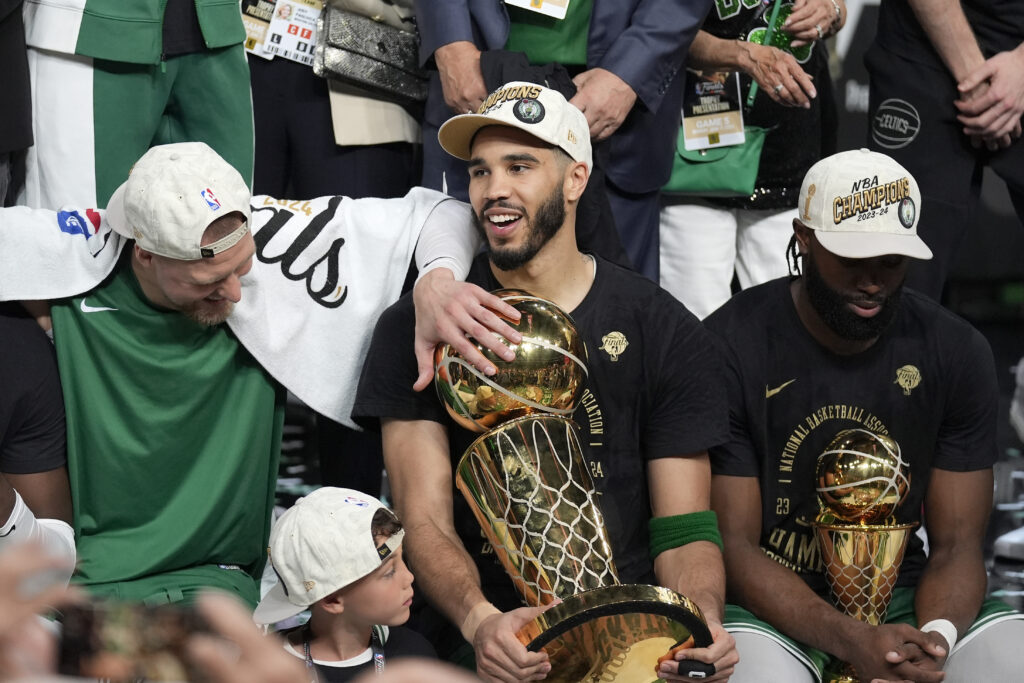
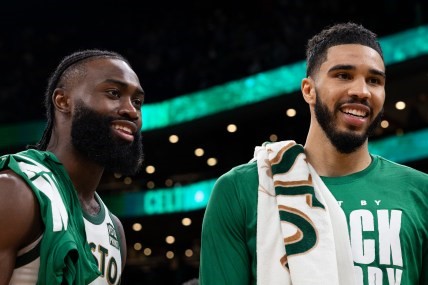
Prior to Boston’s series-clinching
rout in Game 5 of the NBA Finals, my colleague Touré said it’s time to show some
love
for the “Blackified Celtics.”
That’s asking a lot from this
native New Yorker.
For us, detesting Boston begins in our wee years. Rites of passage include a lesson on the flea market of racism to our north. The chilling picture of a Black man nearly speared during a 1976 busing protest was way too reminiscent of the South our elders fled. Bostonians’ hard accents could spark the same sense of uneasiness that a country drawl triggered. It doesn’t help that the damn Celtics now have 18 NBA titles while our beloved Knicks have just two (none since 1973).
If summer represents a more relaxed and easygoing spell – perhaps with a vacation thrown in – nothing beats the season’s initial day.
Although many people flip their seasonal switch on Memorial Day, the first day of summer offers a unique benefit. Also known as the summer solstice, it stands out as the longest day on the calendar, this year June 20 in the Northern Hemisphere. Those of us along the equator see roughly 12 hours of daylight, while individuals 40 degrees north get about 15 hours to enjoy.
During a keynote address in July 1852, at an event commemorating the Declaration of Independence, Frederick Douglass asked, “What to the slave is the Fourth of July?” Today, someone might ask, “What is Juneteenth to the enslaved people’s descendants?”
The Smithsonian National Museum of African American History and Culture says Juneteenth marks America’s “second independence day,” long celebrated in the Black community but largely unknown elsewhere until it became a federal holiday in 2021. But just like the country’s initial Independence Day (July 4), the commemorative date for Black people’s independence (June 19) comes with asterisks.
“Ain’t
nobody comin’ to see you, Otis! You wish you could work it the way I do, but
you can’t!”
While portraying David Ruffin in “The Temptations” 1998 miniseries, actor Leon Robinson delivered that classic line with bite and spite. He was correct, as a lead vocalist arguing with a background singer, but he missed Otis Williams’ point: Fans bought tickets to see the group.
Until a lead singer (inevitably?) departs and embarks on a solo career, the group is all that matters.
June 10 is National Iced Tea Day, though some people call the beloved beverage “ice tea” or “sweet tea.”
The latter might seem odd because so many establishments only offer unsweetened versions and suggest adding sugar if desired. And then there’s “lemonade tea,” which must have its biggest fan in Arnold Palmer, the legendary golfer whose name is also the concoction’s alias.
ESPN host Dominique Foxworth recently
made an excellent point during an appearance on Bomani Jones’ podcast, noting
the difference between a polarizing figure and a lightning rod. In the former
category, you do or say things that drive folks into opposing camps. In the latter
category, you don’t have to do or say anything. Your mere existence is enough
to divide the masses.
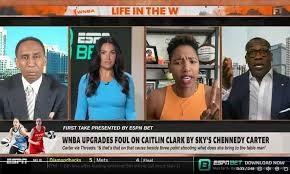
Caitlin Clark is a lightning
rod, crackling in the WNBA and throughout pop
culture.
Her presence has brought added scrutiny to the 28-year-old league – where 70% of the players are Black and 100% are women. Not surprisingly, a lot of racism and sexism is on display from fans and the media.
 Follow