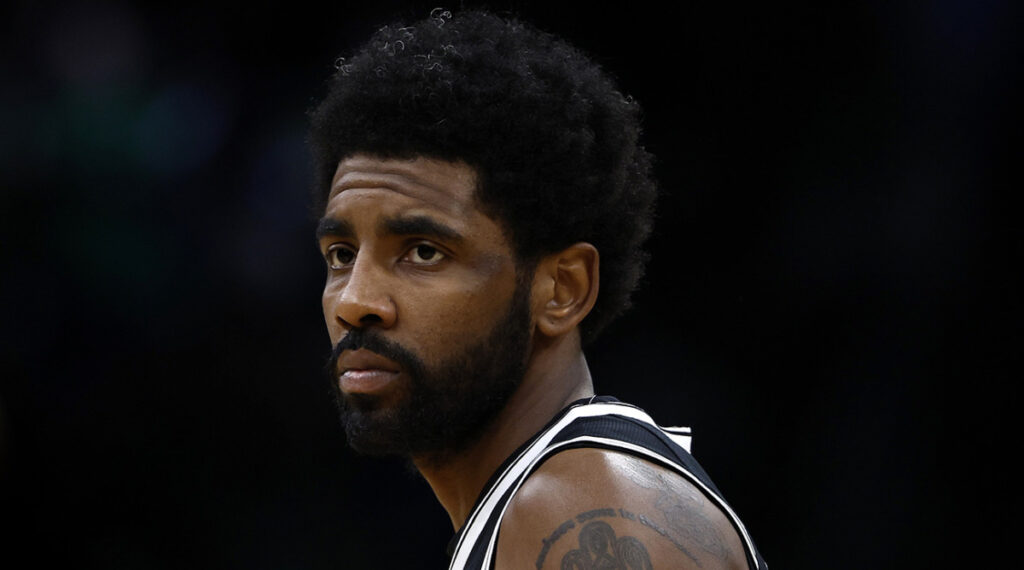
If Kyrie Irving were an NBA
general manager instead of an NBA superstar, would he give himself a five-year,
$250 million deal like Brooklyn can offer? It’s not an easy question.
Maybe he’d be so deep and so introspective
as a GM, he’d determine that the supremely talented and tantalizing player couldn’t
be trusted with such a sizable commitment.
I suppose he’d sign himself in the
end, though, knowing he’d eventually act up and the team would suffer regret. The
GM might get fired, too, but the player gets paid either way.
The playoffs ended nearly two weeks ago and we’re still adjusting to the hardwood hiatus (shout-out to the WNBA for scratching the itch). With NBA action on pause, the offseason drama is here and a major twist is ahead. Irving’s impending decision will reverberate around the league and the locker room he shares – for now – with former MVP Kevin Durant.
Recently listened to a Tony Evans sermon
on detours, which are unexpected, frustrating and beyond our control.
Clearly, I’ve hit one on this
doctoral journey. I won’t get into the details, other than saying it has
required me to kind of restart.
Yes, I honestly thought I would be finished with this doctorate thing by now, but I’m on a detour and it’s not fun. As Dr. Evans said, they slow us down, change our path and – though aggravating – ultimately get us to the destination.
If you think about it, detours
help you learn new ways of getting where you want to be.
In this case, it has taught me
patience (again), resilience, humility, control, boldness, and confidence. Yes,
that’s a lot, but I’m a whole different person from the sister who started this
journey nearly five years ago.
I’m stronger and think I’m smarter. And more aware of self.
Aware that I can’t crawl back in
time and correct my missteps (or anyone else’s). Aware that I must take
ownership of my process. Aware that sometimes I act or don’t act out of fear.
Aware that it’s critical to focus until reaching my goal.
Detours are like that.
When you hit one, there’s no
choice but to perk up and pay more attention to where you’re going. You even
start to notice things, some that you didn’t notice before.
With each twist and turn, you
learn about your strengths, your motivations, your insecurities, and even your fears.
So yes, I’ve been on a long,
winding, grueling alternate route. But I feel myself slowly rounding the curve
as I learn and grow.
If you’re on a detour, just hold
on tight and stay focused. Take it all in.
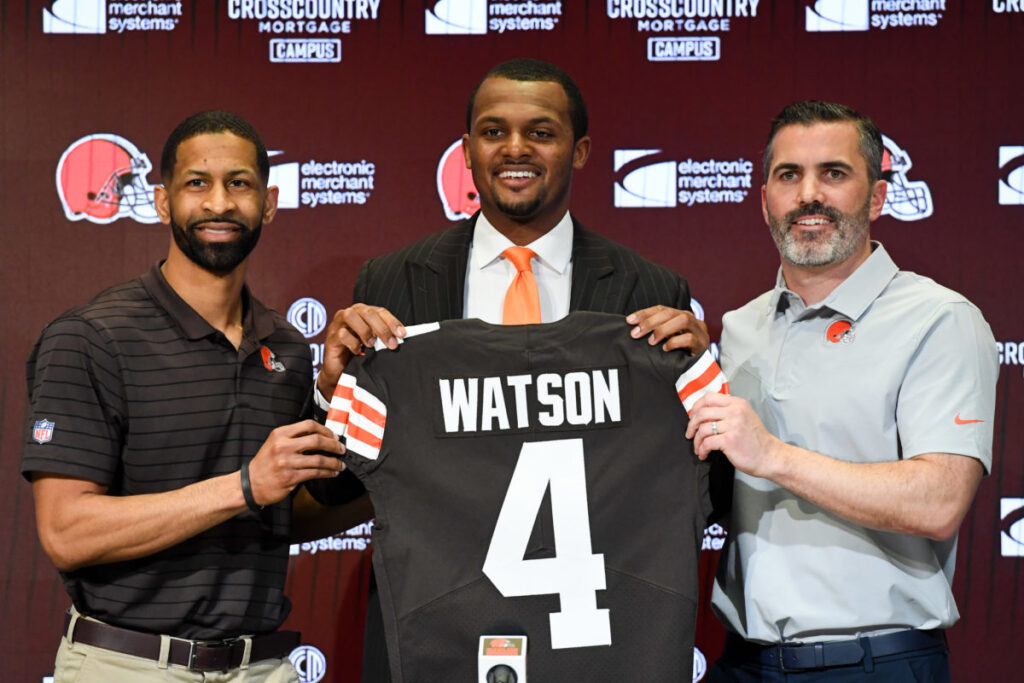
They sold their soul for
quarterback Deshaun Watson and got more than bargained for. When he arrived in
March, Watson was facing 22 civil suits accusing him of sexual harassment and
assault during massage sessions.
That number has grown to two
dozen.
Two weeks ago, NFL commissioner Roger
Goodell told reporters “we’re nearing the end” of the league’s
investigation. But he might have to pump the brakes due to recent developments,
making the Browns twist even longer before learning Watson’s fate.
Good!
Cleveland wants to move on from
Watson’s signing, but can’t begin until the NFL makes a disciplinary decision. Meanwhile,
owners Jimmy and Dee Haslam fall asleep every evening (hopefully to
nightmares), wondering what revelations might await the next morning.
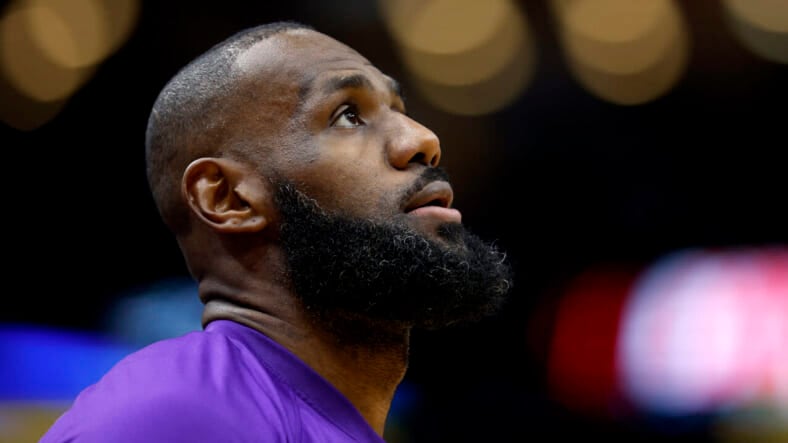
Can we take a moment to acknowledge the absurdity of LeBron James’ story?
Born to a 16-year-old mother who
raised him alone, he graced Sports Illustrated as a high school junior anointed
“The Chosen One.” Imagine being a teenager from the hood with your face on 3.2
million magazine covers. You might require custom-made hats for your
swelling dome.
James’ head didn’t get too big, but his
legend has grown exponentially. Then-Boston Celtics GM Danny Ainge said
17-year-old James would be the No. 1 draft pick if he was eligible. Waves of
reporters trekked to St. Vincent-St. Mary High School to chronicle the phenom’s
exploits. “All hell broke loose,” James said in his 2009 book, LeBron’s
Dream Team. “That cover pushed me onto the national stage, whether I was
ready for it or not.”
More than just prepared, he apparently
was built for it.
The hype was unprecedented, unfair,
and perhaps unrealistic. But 20 years later, James has exceeded all expectations
on the court and at the bank, becoming the first active NBA player to reach
billionaire status according
to Forbes. Michael Jordan was retired for over a decade before he hit that
level.
Screenwriters would find James’ life too boring and straightforward. They’d want creative license to add drama, starting with his selection by the Cleveland Cavaliers as the No. 1 draft pick. Placing a teenage player in his home market straight out high school – with an $18 million contract in his pocket – generally isn’t the wisest move. Investor Warren Buffet said he would’ve found trouble with that much success at such a young age, but James was “able to just be sensible and keep his head on straight. I admire him greatly.”
Some lines you never expect to
cross. Some scenarios are too unlikely to imagine.
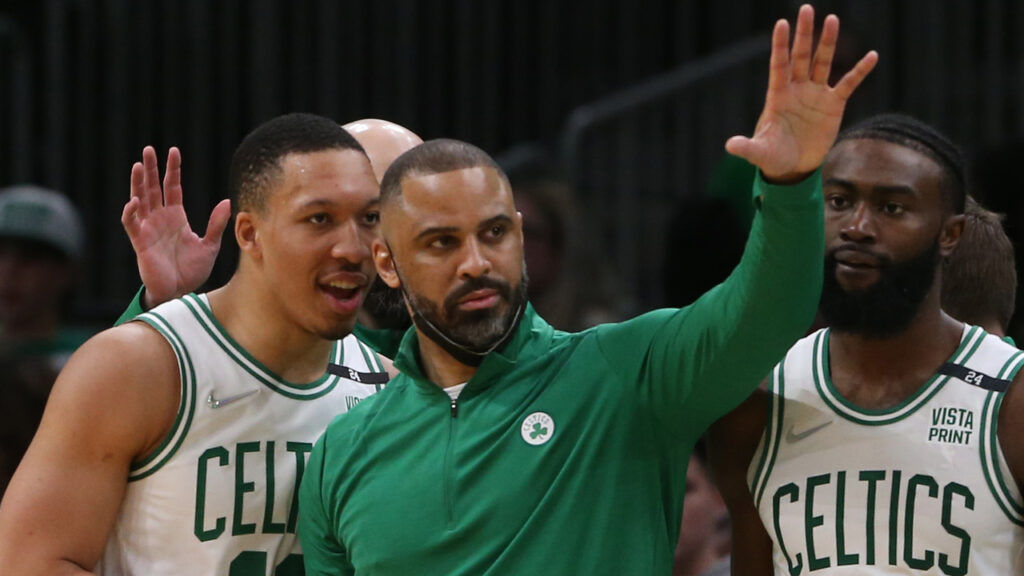
Yet, here I am, pulling for the
Celtics.
Native New Yorkers with no ties to
New England don’t root for Boston. That’s worse than rooting for Philadelphia.
We don’t care nothing about those I-95 outposts, also-rans not nice enough to
be named twice or have two football and two baseball teams. However, it’d be way
easier to pull for Philly, like supporting your little play-cousin.
Boston? That’s like rooting for the
racist uncle who married into the family.
Hating on Beantown is a given for
most self-respecting Black folks. It’s the default setting for consciousness, unless
you were born in that region and can’t activate the manual override. The mistreatment
of Black athletes there is legendary, a
flea market of racism. Even those who play for the home team are excused
when they confuse Boston with Birmingham. Where else have we seen a flag used like
a spear?
But for the first time and probably the last time, I’m rooting for a Boston team.
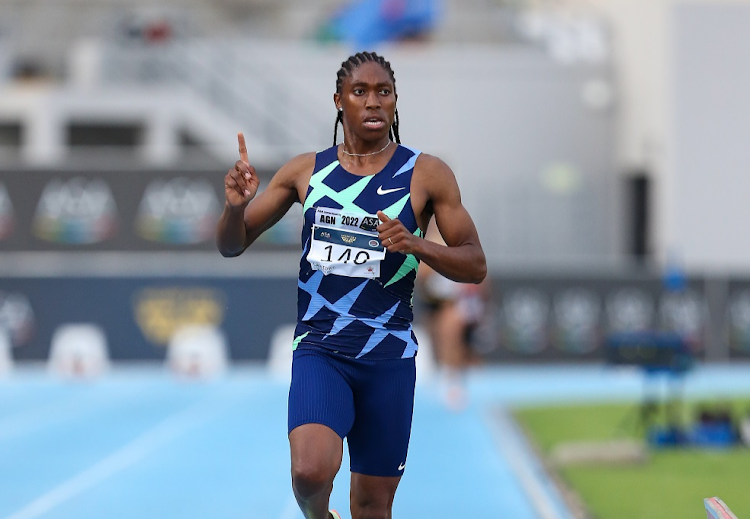
Caster Semenya was ready to go
there as an 18-year-old, willing to be humiliated in front of adults if that’s
what it took.
The South African track star was
prepared to remove her underwear to satisfy athletics officials’ questions
about her sex. “They thought I had a dick probably,” Semenya
said Tuesday on HBO’s “Real Sports with Bryant Gumbel.” Whatever. She told
them, “’It’s fine. I’m a female. I don’t care. If you want to see I’m a woman,
I will show you my vagina. Alright?’”
Making the proposal was degrading enough.
But Semenya, now 31, suffered worse emotional trauma in learning that such offers
are worthless. Officials have decided she’s a male based on hormone levels,
regardless of her body’s genitalia. The eye test means nothing if lab tests
determine the final result.
Semenya was a teenager from a
rural village in 2009 when she gained international prominence for her very
essence. She wasn’t cast into the
spotlight just because her appearance is more masculine than traditional femininity.
Semenya became a controversial figure because her leaked sex-verification tests
reportedly revealed that she had three times the amount of testosterone
typically found in an average woman.
She was identified as female at birth and has identified as such her whole life. Semenya continues to face unnecessary, unfortunate, and uncomfortable queries about her body. Plenty of Black females don’t have her condition, hyperandrogenism, but they can relate to the scrutiny and criticism of her God-given form.
Getting hot over mass shootings, trigger-happy
cops, environmental injustice, maternal mortality rates, voter suppression, unfair
hiring practices, redlining, and other systemic burdens, doesn’t leave much
energy for petty racism like name-calling.
If fair treatment in
life-and-death issues meant accepting verbal abuse, I’d listen. But we know
life doesn’t work that way. Letting white folks talk to you wild makes them think
other forms of abuse are OK, too. The cycle is older than dirt and faithful as
sunrise: Words lead to thoughts, which lead to actions, which leads to us
catching hell.
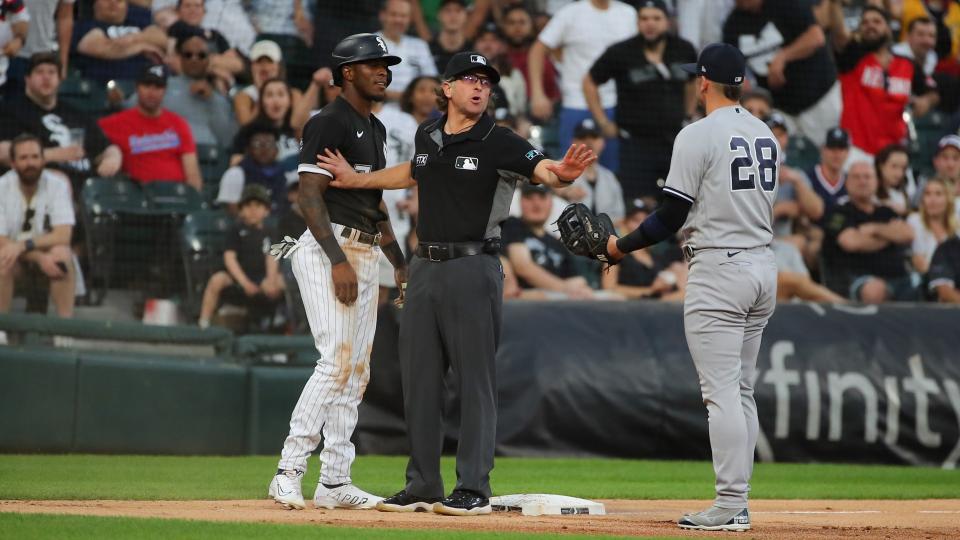
During Saturday’s game against the
Chicago White Sox, New York Yankees third baseman Josh Donaldson told us he’s racist
without saying the N-word. He thought he was slick, calling shortstop Tim
Anderson out his name by referencing the patron saint of Black ballplayers, stirring
emotions that sparked a near-brawl later in the game.
“He was trying to call me Jackie
Robinson, like ‘What’s up, Jackie?’ I don’t play like that,” Anderson
told reporters after the game. “I wasn’t really bothering nobody today, but
he made the comment and it was disrespectful.”
We didn’t hear Donaldson’s tone or inflection, but Anderson didn’t hear a compliment and neither did I. It was a condescending reminder that Anderson is “other,” a Black man in a white man’s game. He’s among the latest to feel it and Robinson was first, when he broke the major league color line in 1947.
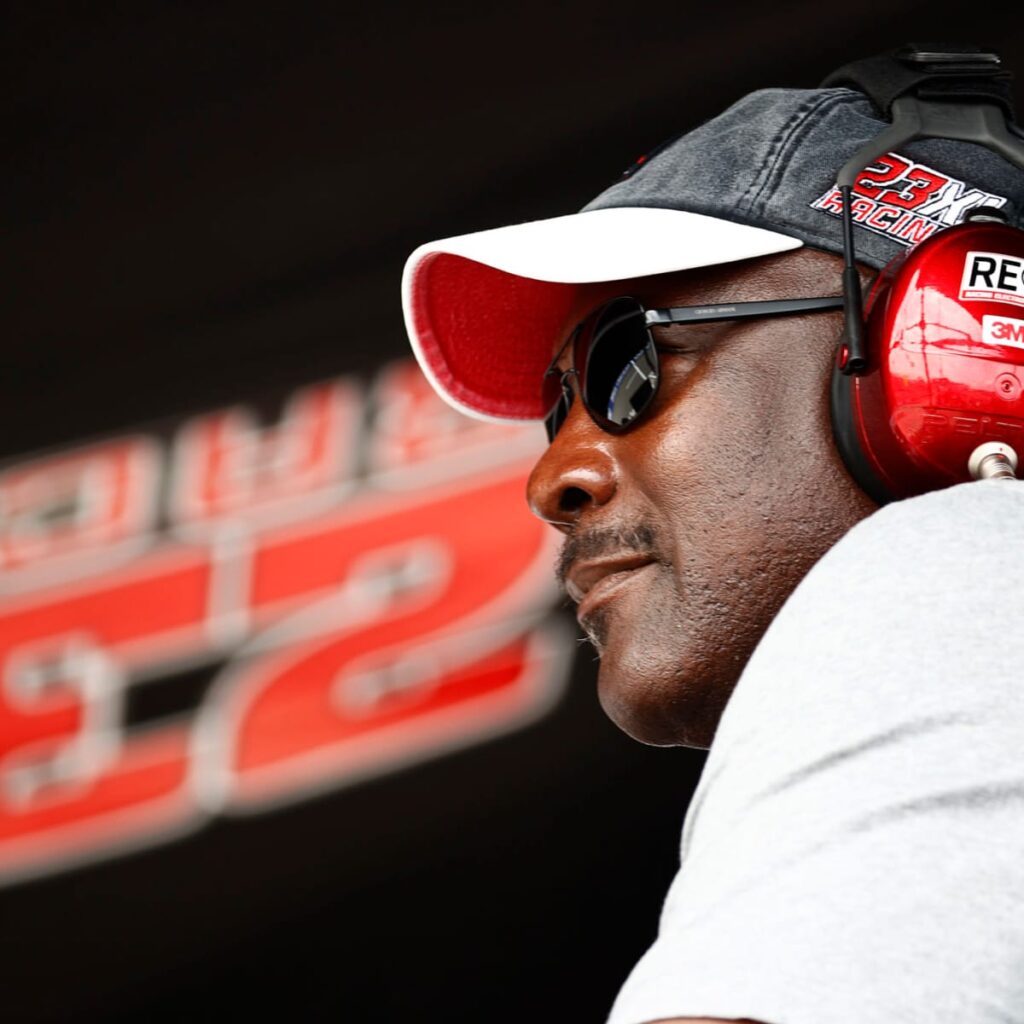
Thanks to Michael Jordan and the flyest race car ever, NASCAR just hit for a lick.
The sport that wants more cool points and wider swaths of fans just achieved both goals, with props to Air Jordan and the internationally iconic logo. Though Jordan has struggled mightily as an NBA owner in Charlotte, his motorsports shine is blinding after last Sunday’s race in Kansas.
The Hornets have reached the
playoffs twice in his 11 seasons as owner. His NASCAR team – 23XI Racing (pronounced
twenty-three eleven) – has reached victory lane twice since he entered the
sport last year. The Jordan crossover broke ankles on the court; now it’s
drawing eyes at the track. Driver Kurt Busch’s win came in the first race to feature
a Jordan Brand-ride, with Jumpman and Black Cement
all over.
“A lot of the reason we started
this race team is Michael felt like NASCAR was a platform that didn’t maybe
always understand his brand,” 23XI
Racing co-owner Denny Hamlin told reporters. “He thought this was a good
way to branch out the Jordan Brand.”
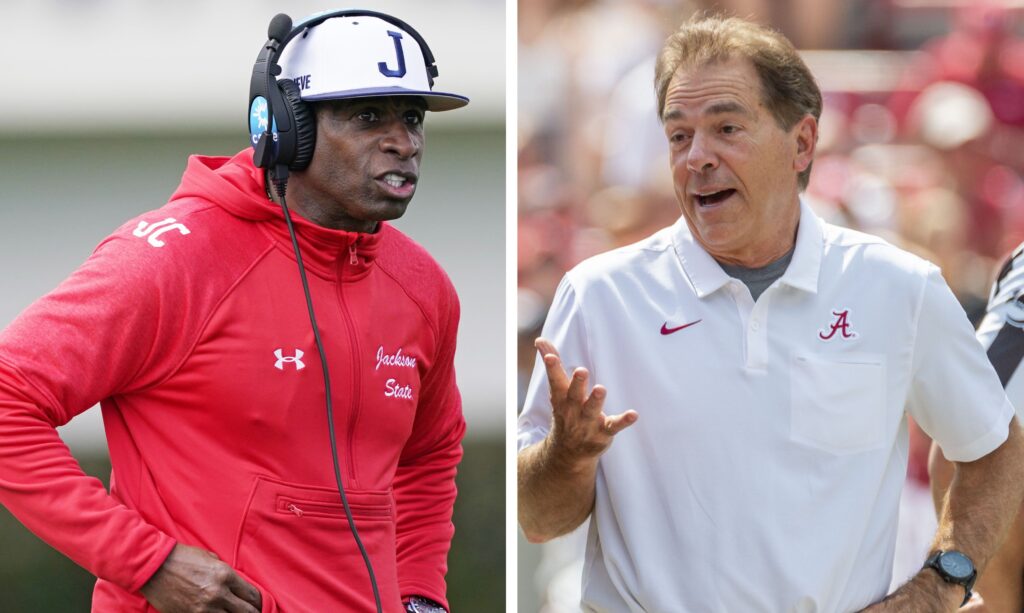
Nick Saban knows the business,
which explains him pulling
$9.9 million in base salary as Alabama’s head football coach. He knows the
game, too, reaching six of the last seven title games and winning three
championships.
He’s probably the sport’s goat among
coaches not named Eddie Robinson. Saban is certainly the de facto Godfather, the
public face of the most powerful outfit. He’s sat atop the organization long enough
to know when something’s fishy, like sportsbooks taking a flurry of crazy big bets.
There’s a sense the table has flipped and the smart money is moving to players,
most of them Black. He’s worried about Alabama losing its edge as the house.
Saban isn’t with this new normal,
where entities happily pay college athletes through name, image and likeness
deals (NIL). Players are no longer broke, which signals a clear and present threat
to the old worldview Saban represents.
During an event Wednesday
night with local business leaders in Birmingham, he went all-in against “buying”
incoming recruits with NIL money. “Jackson State paid a guy $1 million last
year to come to their school,” Saban said, rekindling refuted reports about Travis
Hunter Jr., the nation’s No. 1 prospect. “It was in the paper and they bragged
about it,” Saban said. “No one did anything about it.”
Jackson State coach Deion Sanders promised
in a tweet to “address
that LIE Coach Saban told.” Hunter wishes it was real. “I got A mil?” he tweeted.
“But my mom still stay in a 3 bed room house with five kids.”
Saban also had words for Texas
A&M and Miami, claiming they opened the vault and broke the code for securing
talent while he stays true to the amateurism sham. He bragged that only 25 players
got NIL hook-ups at Alabama last year, for a measly $3 million total. He called
that “doing it the right way.”
It’s the right way if you’re salty that players get anything.
There’s never been a better time for
young stars in the multibillion-dollar college sports industry. But this being
America 2022, we see efforts to turn back the clock.
A few years ago, financial
compensation for college athletes was illicit and strictly under the table. Today,
top players are paid in open-air transactions with a trail of authorized direct
deposits.
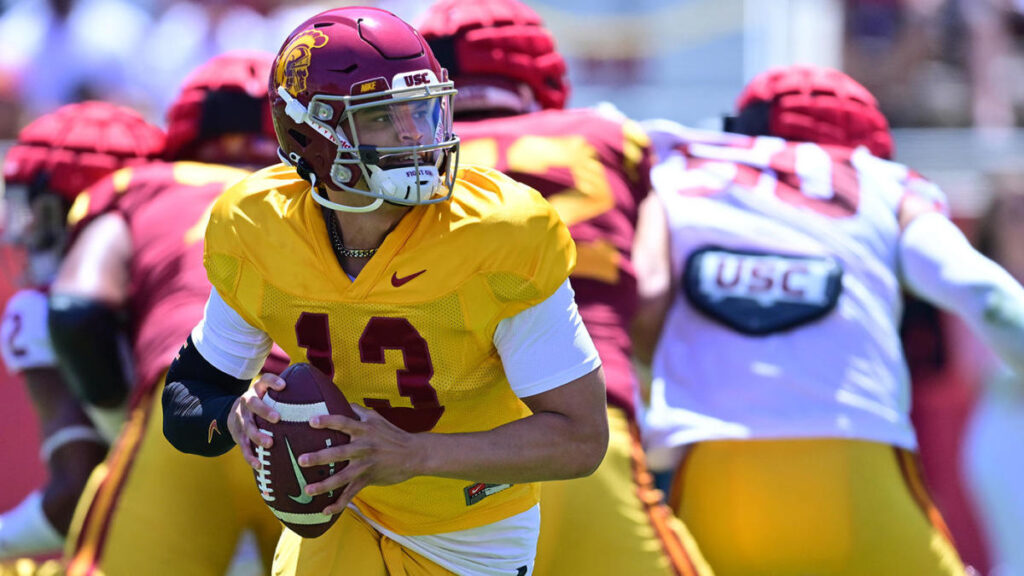
USC quarterback Caleb Williams is
conducting a
master class on getting bags, while high schoolers don’t have to wait. Five-star
shooting guard Jared McCain, a Duke-signee, is among several
prep stars stacking paper in California, a forerunner among states allowing
name, image, and likeness (NIL) deals for college athletes and recruits.
I figured this free market wouldn’t last long before the NCAA and associates – officials, coaches, and conference directors – pushed back. But barely three years? Reconstruction lasted a dozen. This ride just began, and haters already pumping the breaks.
No, we don’t all agree. The young adults – not kids – should have the right to earn as much as possible, just like their peers who don’t play sports. More than 100 years late, these newfound gains must stay and grow. Progress won’t erase the stain, but moving forward is the preferable direction.
 Follow