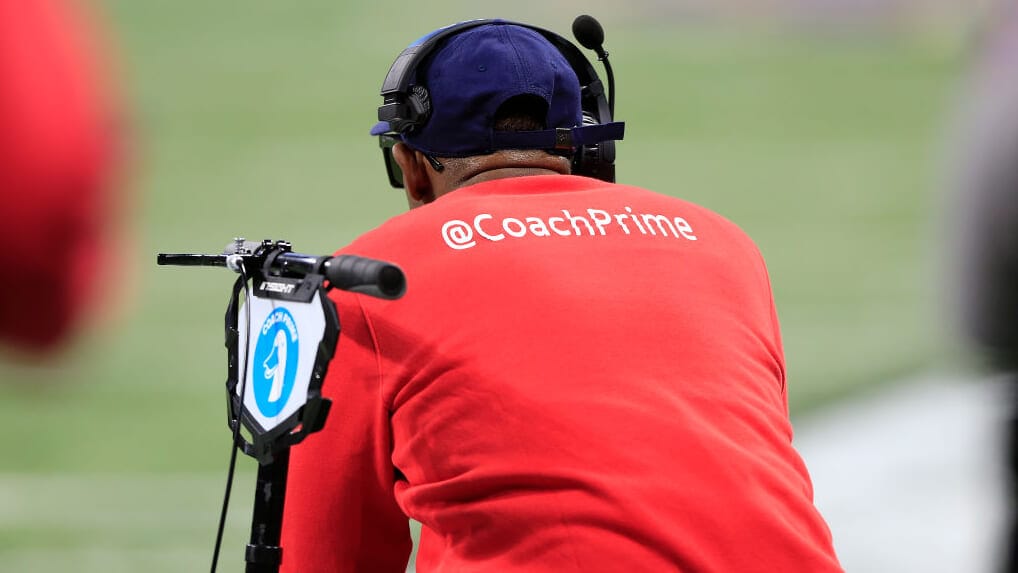
Jackson State football coach Deion Sanders was born and
raised in a place that I called home as this century began. We’re both intimately
familiar with an area that suffered catastrophic devastation from Hurricane Ian.
“Praying for all of Ft. Myers Fla.,” he
tweeted Wednesday. “God please watch over all of them.”
His 4-0 team didn’t have a game last weekend, giving him extra
time to check on loved ones. The break also provided a moment to pause and
reflect on swirling rumors about his future. At least three predominantly white
institutions (PWIs) reportedly could
be interested in luring him away. The most intriguing is Auburn, which would
put Sanders in the acclaimed Southeastern Conference. His fiercest rival would
be perennial championship contender Alabama and coach Nick Saban, co-star
in insurance commercials.
Sanders has lived up to his
nicknames – “Prime Time” and “Neon Deion” – in less than two full seasons at
Jackson State. The football program has vaulted into national conversations and
enjoyed glowing reviews. Visit Jackson, the city’s marketing bureau, calculated
a $30
million impact from JSU football last season, nearly double the 2019 estimate.
On the field, Sanders is 19-5, including a Southwestern Athletic Conference
title and Coach of the Year award. His recruiting prowess sent
shockwaves through the industry, garnering more attention for JSU and other
historically Black colleges and universities.
I think it’s been great for the SWAC, definitely for Jackson State,” Texas Southern coach Clarence McKinney told reporters at media day. “But it’s been great for the SWAC because we have more cameras on us now. We have more eyes watching us. People are paying attention to the SWAC a lot more since coach Prime has been in the league.”
If I were a cop, I’d understand if
some folks struggled to see past my blue line of work. The police have a history
of anti-Black behavior that makes it difficult to separate individuals from the
force.
As I’ve learned from working, studying
and living, “the news media” produces similar skepticism among proponents of
Black lives. Yes, there are exceptions within the ranks of journalists. But as
a whole, the industry has reinforced the status quo more than discouraged it
during four centuries of hell on these shores.
The media is guilty of crafting
images and spreading stereotypes that have worked against our interests and
continue to this day. No argument there. And while I see no link between
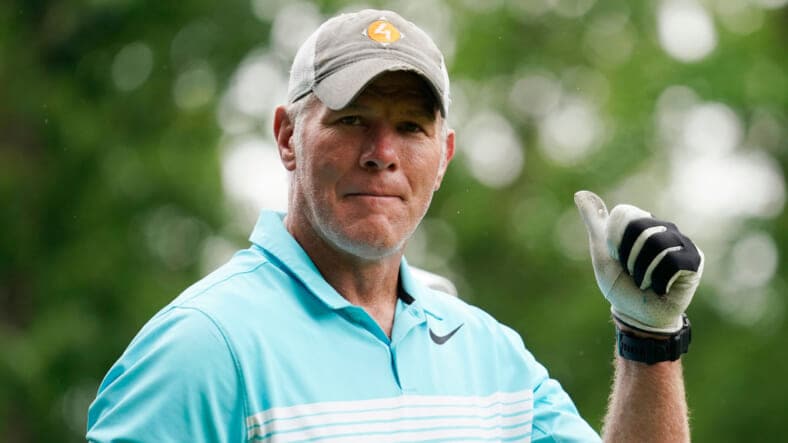
coverage of NBA coach Ime Udoka and NFL legend Brett Favre, I understand why
some of y’all might.
Intergenerational racial trauma is real and omnipresent, breathed like oxygen with no thought.
Native Americans can testify on the
impact of traumatic journeys. The American Psychological Association says signs
of our racial trauma include: distrusting others due to multiple past
losses or letdowns; feeling triggered by reminders of previous racist
experience, which can lead to strong responses; and extreme paranoia or
hypervigilance.
I saw as much from some commentators
after the Boston Celtics suspended
Udoka for policy violations – reportedly, an intimate relationship with a
female staff member.
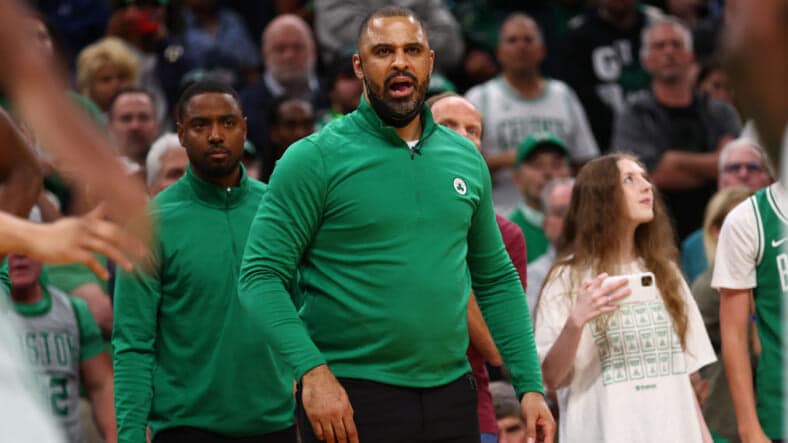
Boston Celtics coach Ime Udoka is
well past the age of consent, which varies from 16-18 across the U.S. So is the
unnamed Celtics staff member linked to Udoka’s
season-long suspension. The grown coach had a consensual, intimate
relationship (according to initial reports), with a grown woman who also works
for the team.
For those who don’t understand why
Udoka was punished – with no guarantee
of resuming his duties – forget about the adults’ ages. When it comes to consensual
relationships in the workplace, subordinates might as well be minors.
Their consent doesn’t count.
“I want to apologize to our
players, fans, the entire Celtics organization, and my family for letting them
down,” Udoka said
in a statement. “I am sorry for putting the team in this difficult
situation, and I accept the team’s decision. Out of respect for everyone
involved, I will have no further comment.”
His silence is useless to everyone involved, namely the team’s female employees. They’re already victims of tabloid reporters and social-media sleuths. One minute the women were minding their business, virtually anonymous; the next minute they going viral, as folks throw out wild guesses on Udoka’s partner.
Football is back and the reaction
is complicated. Here come the conflicted feelings and mixed emotions that the
sport generates, collegiately and professionally. Loving the game and the athletes
is easy (minus health concerns); loathing the NFL and NCAA is automatic.
Through all of the messiness, pro
football is a business first, an excuse that shouldn’t fly in college football.
The purpose of higher education is
supposed to take precedence over polls, bowls, and playoffs. But that’s never
been the NCAA’s thought process, especially not with this labor-intensive sport
where 125 active players can inhabit the roster. If you combine all the NCAA men’s
and women’s basketball players, football has well more than twice as many participants.
It costs the most, makes the most
and spends the most, all on the backs of unpaid labor. Now, after a steady stream
of schools changing
conferences, handing out humongous
contracts, and upgrading lavish
facilities, the last shred of pretense has been dropped.
“This is an exciting day for the future of college football,” SEC commissioner Greg Sankey said last week after leaders voted to expand the playoffs from four to 12 teams. I’d be excited, too, if I were a commissioner, school president, athletic director, coach, or anyone else getting bags from football’s industrial complex. As for players, it sounds like extra work at the standard pay rate:
The writing assessment offered a choice, either 500 words on my favorite memory (too hard to pick one), or 500 words on …
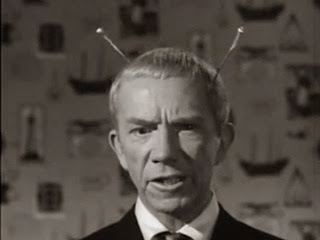
IF I WOKE UP SURROUNDED BY ALIENS
If I woke up surrounded by aliens, I like to think my first
thought would be: “OK. Just play it cool.”
My fear is I’d freak out and cause a scene, drawing unwanted
attention from creatures that might crave my innards. So, let’s imagine I’m successful
in keeping my face and mouth from screaming WHAT THE HELL’S GOING ON?!
I’m in shock but I don’t show it. I look around and act
normal while I assess. That isn’t Vanessa and those aren’t the girls – though
they’re rather good likenesses. Thank God they speak English, so language isn’t
a barrier. They don’t act like I’m alien to them, and I play along.
Because, you know, they might turn Hannibal Lector and suddenly want some sauteed brain.
Before this year, I had never watched a NASCAR race from start
to finish and never caught portions unless channel surfing or ESPN showed
highlights. I certainly never tuned in for pre-race shows on the weekend or
racing news shows during the week. Football and basketball drew the lion’s
share of attention – personally and professionally – though three decades as a
sportswriter include a long stint covering baseball for a national publication.
But everything changed in February with the Daytona 500.
I was attracted to a black-and-gold
car that honored Grambling State University, royalty
among Historically Black Colleges and Universities. I was impressed by the
unprecedented number of Black owners (4) with cars in the race. And I was
reminded that Bubba Wallace remains the one and only Black driver in the Cup
Series.
Daytona led to deeper interest and increased knowledge, eventually
overpowering any disbelief: I had
become a Black NASCAR fan.
That’s great news for the industry and it’s not by accident.
Well before the flashpoint of George Floyd’s murder in May 2020
– and NASCAR two weeks later banning the Confederate flag at its racetrack – officials
realized the necessity of expanding geographically and demographically. That meant
putting new tracks in major markets outside the traditional Southeast base, and
increasing the number of minorities who engage with racing, whether as fans,
owners, drivers or employees.
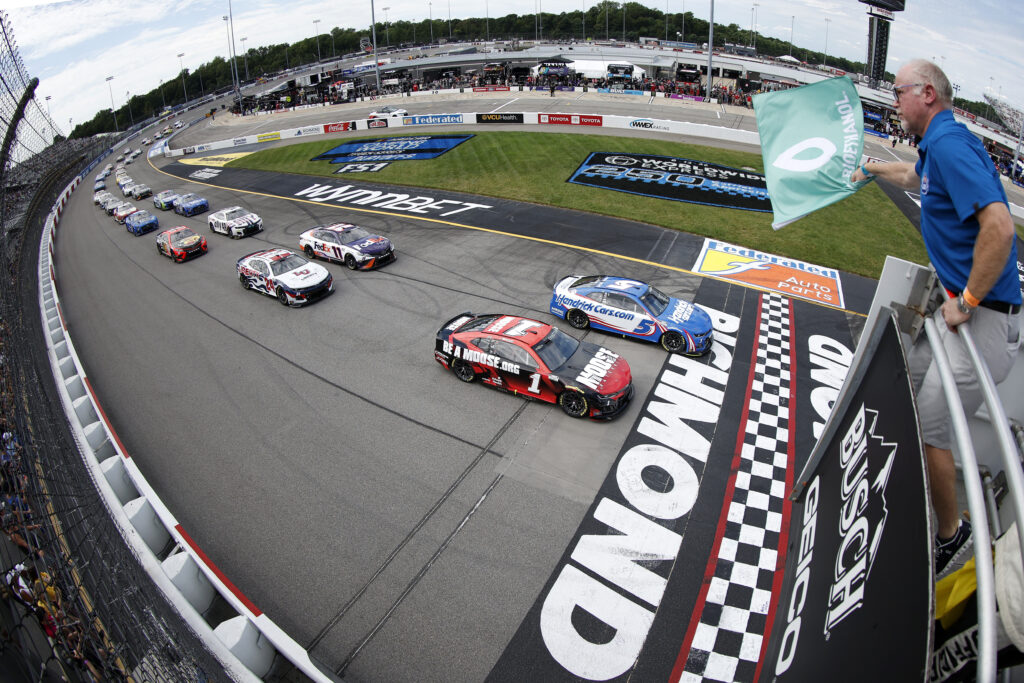
Having watched multiple races this year (Cup, Xfinity, Truck and
ARCA!), I was pumped to visit a track for the first time. Fans told me TV doesn’t
convey the true sense of speed, power, and energy. You have to see it and hear
it in order to feel it. The trip to Richmond Raceway would be a welcome new
experience. That’s all I wanted from the second weekend of August, a Truck race
and a Cup race, up close and personal.
We need a scale to compare but we want less evidence to weigh. While the impact of offenses varies, there’s an overabundance of perpetrators, including police, politicians, preachers, and public figures. And that’s before we reach the ranks of random white folks.
A bunch of the latter gathered Friday for a women’s volleyball game at Brigham Young University, where Duke sophomore Rachel Richardson tweeted that “my fellow African American teammates and I were targeted and racially heckled throughout the entirety of the match. The slurs and comments grew into threats which caused us to feel unsafe.”
Her godmother, Texas-based attorney and judicial candidate Lesa Pamplin, tweeted that Richardson “was called a n— every time she served. She was threatened by a white male that told her to watch her back going to the team bus.” A police officer was placed near the bench after players complained. BYU officials, hosts of the doTERRA Classic tournament, moved Duke’s Saturday game to an off-campus site and banned a fan from the Cougars’ athletic venues.
On the grand scale of things, this incident isn’t close to a tipping point.
It’s not Derek Chauvin’s knee on George Floyd or 17 state legislatures’ passage of restrictive voting laws. It’s not the evangelical right’s racist zeal or Tucker Carlson’s nightly poison. It’s no match for the homicidal rage of Average Joes who might shoot up a Black church or supermarket.
But it’s also not just one ignorant bigot berating Black girls.
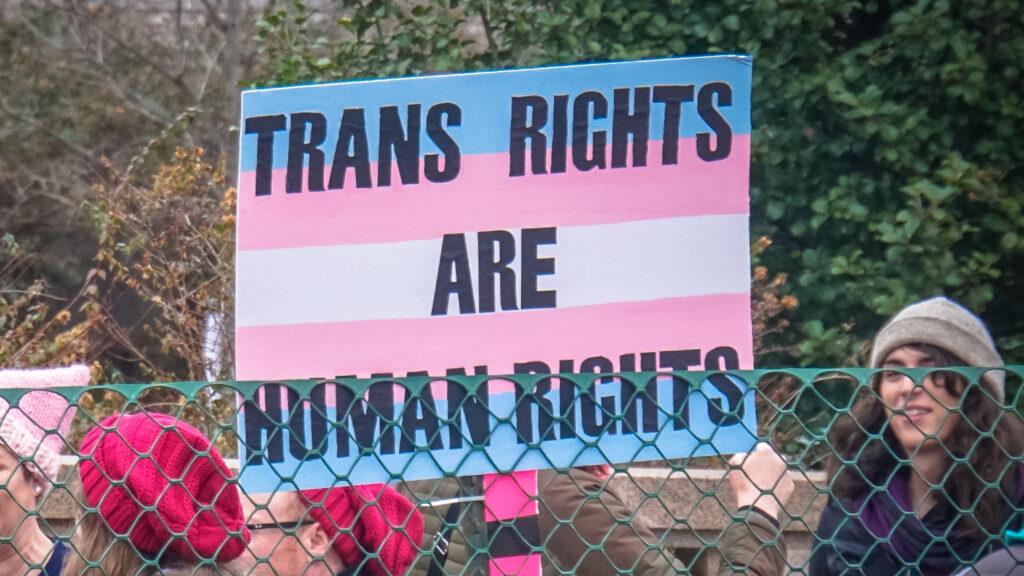
When’s the last time you changed your mind after reconsidering a controversial issue, re-examining unintended consequences and recalibrating the pros and cons? It happened to me this week regarding transgender athletes, and being on the other side of the debate feels weird.
But thanks to a conversation with my editor and the action of some sore-loser parents in Utah, I now see the blind spot of my previous stance. I understand the danger of banning transgender girls from competing in girls’ sports. The critics were right: Such measures will be weaponized and do more harm than good, especially against Black and brown girls.
In case you missed it, parents of girls in a state-level competition lodged a complaint with the Utah High School Activities Association. They questioned the winner’s gender after she “outclassed” the field. The UHSAA investigated her enrollment records and learned she’s been a girl in every grade since kindergarten. Neither the girl nor her family knew about the inquiry, sparing them unnecessary angst. But it shouldn’t be that easy to start some mess.
A UHSAA representative said the association has received other complaints, including the simplistic “that female athlete doesn’t look feminine enough.” We took “every one of those complaints seriously,” David Spatafore told state legislators. “We followed up on all of those complaints with the school and the school system.”
And that’s the problem right there, launching investigations whenever girls fall outside the preconceived notion of what they should look like. Black girls and women historically are treated cruelly under those standards.
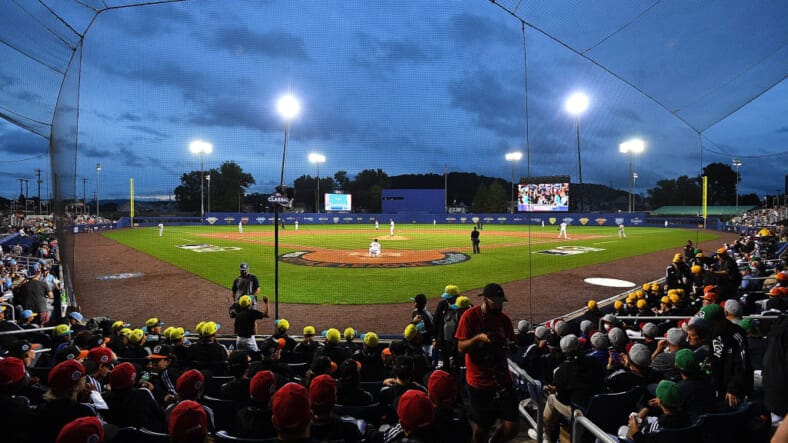
Look at his face. That young Black
Little League player, suffering aggressions large and micro from white peers, was
all of us Sunday night. As his hair was littered
with cotton puffs (technically fake cotton, but whatever), his facial
expression varied, morphing between the pain of abuse and the numbness of acceptance.
That’s the emotional daily double
we must endure – attempting to fit in and play nice – while America continues
to mess us over and act like it’s not.
“That’s just Little Leaguers being
Little Leaguers right there,” ESPN announcer
Karl Ravech said as the incident unfolded in the stands during Sunday’s Orioles-Red
Sox game. A fellow announcer was equally clueless. “Right on, right?” he said.
“When in Rome.”
Christians were fed to lions in
Rome, so who’s who in this scenario? But don’t worry. Those little white boys didn’t
mean anything by sticking cotton in that black boy’s hair!
“We have spoken with the player’s
mother and the coaches, who have assured us that there was no ill-intent behind
the action shown during the broadcast,” Little League International said
Monday in a statement. LLI, hosting the Little League Series where the scene
occurred, said multiple members of the Midwest Region team (mostly from around
Davenport, Iowa) took part in the activity “while enjoying the game. As only
one player appeared on the broadcast, (we) understand that the actions shown
could be perceived as racially insensitive.”
Perceived as? My ass.
Everyone involved – including parents and coaches who should know better – is guilty of massive insensitivity and gross offense. Whether it’s done out of ignorance or hate, playing with cotton and Black hair is like lighting dynamite along racial fault lines; major fissures grow deeper and spread.
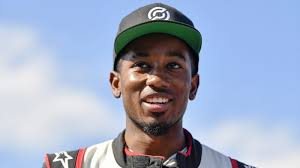
Rajah Caruth’s devotion to world-class athletic pursuits started with multiple sports. He shot hoops, played soccer, and ran track growing up. He explored a common childhood interest in transportation with his father, visiting airports and rail yards to watch planes and trains come and go.
Caruth’s normal veered sharply and accelerated into a narrower lane of sports and interests several years ago. And he’s speeding through it.
The junior at Winston-Salem State University has quickly become a standout in auto racing, not just for his uncharacteristic success but also for his limited experience and unprecedented path from a Washington high school to racetracks around the country.
His next step toward establishing himself will be this weekend at Richmond Raceway in Virginia when he competes for the second time in NASCAR’s Camping World Truck Series (kind of like Double-A baseball).
Caruth races full time with Rev Racing in the ARCA Menards Series (a feeder circuit for NASCAR’s three national series), leading that circuit virtually all season until Aug. 8, when he dropped to second in the standings. In April at Richmond – where he attended his first NASCAR race at age 12 – Caruth debuted in the Xfinity Series (considered the second-highest level of competition in NASCAR). He started 22nd and finished 24th, perfectly respectable and arguably excellent for a driver’s first spin in those cars.
His initial foray in the Truck Series in June was outright impressive, finishing 11th after starting 19th in the lineup. Following that race, Spire Motorsports signed Caruth to drive more this season. By year’s end, 20 ARCA races, four Truck races, and seven Xfinity races should be in his rearview mirror.
 Follow