Ancora Warehousing & Logistics: ‘Rowing in the Same Direction’
 Follow

By DERON SNYDER (as published by Port of Baltimore Magazine)
In March 2020, the World Health Organization declared COVID-19 a global health emergency. Five months later, owners Frans Zwanenburg and Kathy Haines founded Ancora Warehousing & Logistics, LLC.
Starting a business amid a worldwide pandemic isn’t ideal and only a few would do it, Zwanenburg said.
“Nobody was working from offices anymore and we began our journey in a conference room at one of our vendors. We needed some more privacy and decided to move into a rental house owned by Kathy Haines, which became vacant during COVID-19. Then neighbors started to complain, and we signed our first office lease at the Maritime Center at Tributary Street,” Zwanenburg said.
As the company’s customer base grew, and the demand for warehouse space to hold inventories skyrocketed, Ancora’s providers strained to keep up with its volumes, which led Zwanenburg and Haines to look for their own warehouse space around Baltimore. “None was available, but finally we found a path forward and ended up getting our own large Class A warehouse and office in May 2023,” Zwanenburg said. “The best part: every step we took was done with our own capital and cashflow. No company or financial institution was willing to take any risk in financing us during these uncertain times, and without employees, there was no governmental payroll help for Ancora or any available aid programs for a startup trying to hire people. No matter what, we focused on our priorities and hard work and became who we wanted to be.”
The founders focused on the potential rewards of filling a vacancy at the Port of Baltimore and rode out the virus until business returned to normal.
“We were not afraid,” Zwanenburg said. “We just had to make decisions. We had a business plan, but a lot of things happened that nobody [expected] and the container business was becoming very difficult.”
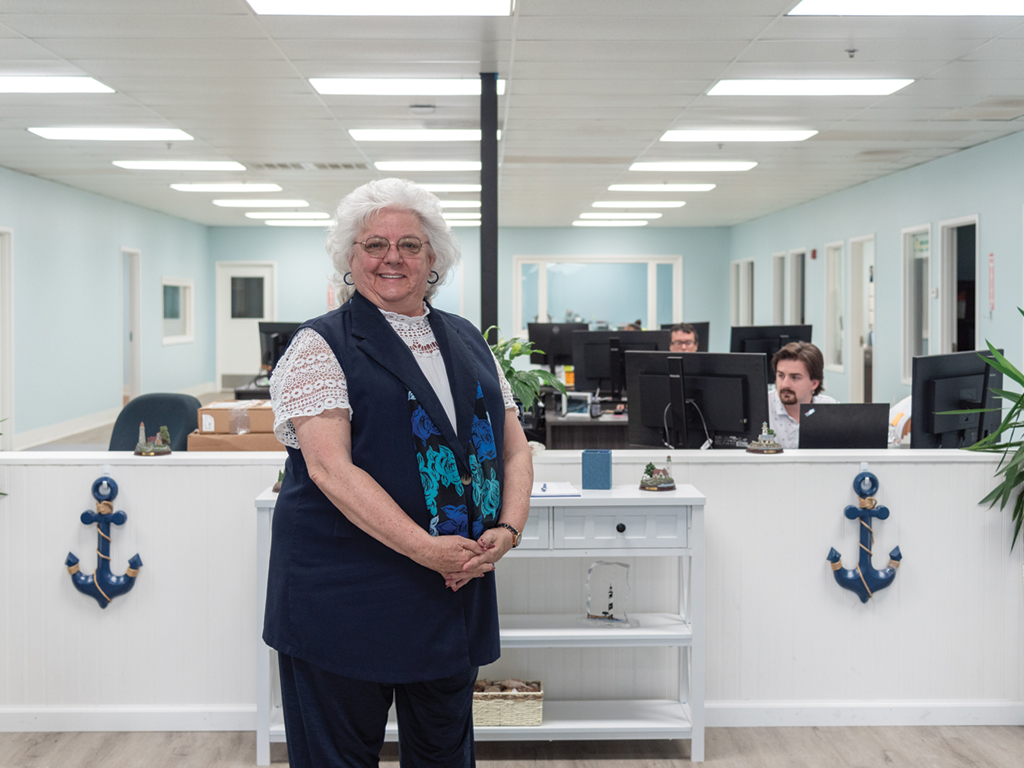
Haines was fresh from high school when she began work at the Port of Baltimore five decades ago. The idea of forming a company with Zwanenburg — her co-worker and a former supervisor — was discussed before launching. Their previous employer helped prompt the decision by shutting down its warehouse operations in Baltimore.
The business partners launched their operation with about 100 years of combined experience in warehousing and logistics, including many U.S. and global relationships that new companies would have to pay for.
“We have many customers that have followed both of us for a number of years,” Haines said. “We have many vendors that have worked with us for years. Warehousemen, truckers, logistics people, management people, equipment people … being in this industry has its ripple effects.”
Finding Solutions Is No Problem
Zwanenburg said the two of them thought about going into business for themselves in part due to the climate at their former employer. “It wasn’t going all that well,” he said. “It was very corporate, huge overhead, a lot of red tape and very spreadsheet-oriented. We also wanted to make a basic change in our life and control our own destiny.”
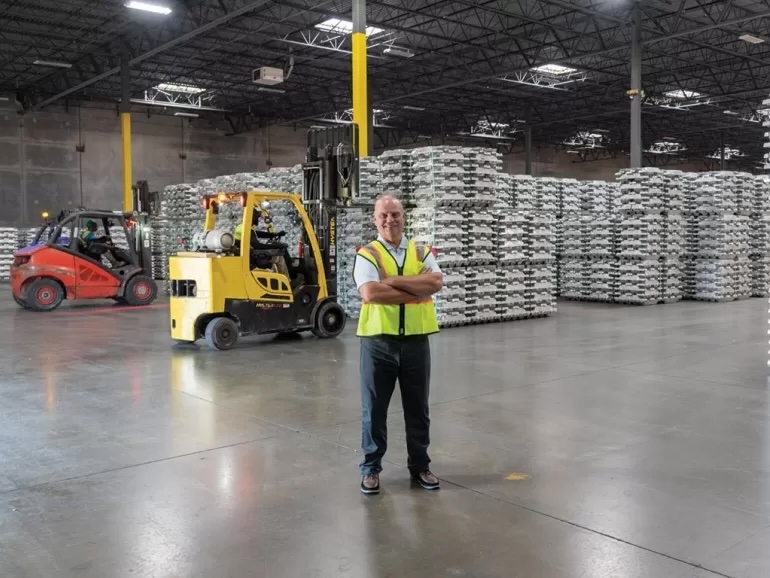
COVID-19 changed life in unexpected ways, including disruptions in maritime transport. Container shipping firms canceled more than 1,000 voyages in the first six months of 2020. Zwanenburg said Ancora, which has a 250,000 square-foot warehouse and a 7-acre yard, responded with a smooth pivot.
“We got involved with a lot of the breakbulk cargoes,” he said. “We did many ships with non-ferrous metals, steel and forest products. We would get it off the terminals and bring it to our outside yards and warehouse spaces. We did a lot of business with the terminals, which wasn’t really in the business plan.”
Haines said warehousing and logistics is interesting and adventurous, with challenges on a day-to-day basis. “The best laid plans can go astray, and one phone call can fix it,” she said. “And one phone call can make a mess of it. It seems like when things are at their worst, Frans and I are at our best.”
With more than 40 years in the corporate and international warehousing and logistics business — about half of that career spent in Baltimore — Zwanenburg is a veteran of working through industry challenges across Europe, South America and the United States. He said the pandemic was an extraordinary case, but global disruptions routinely cause headaches. He mentioned piracy in the Red Sea, low water at the Panama Canal, tensions in China and flooding in Brazil.
On March 26, the Francis Scott Key Bridge collapse was added to the list.
Moving Past the Bridge and Beyond
Eight weeks after the bridge tragedy and three days after the Dali was removed from the scene, Haines was on the phone with Maryland Port Administration (MPA) officials discussing the latest updates. She said Ancora was “probably 80%” back to normal, the blow softened by the company’s business in multiple other ports since the collapse.
“We did a lot of work in Norfolk and Newark and in Philadelphia, handling the cargoes there,” Zwanenburg said. “We also brought many containers from those ports back to our warehouse in Baltimore. We weren’t super-busy in the beginning, but we’re getting a good influx again of products coming back to Baltimore.”
He said Ancora applied for grants to assist Baltimore’s affected businesses and the company didn’t lay off any of its 20 full-time employees. The workforce is a strong suit for Ancora, reflecting the owners’ experience, know-how and connections, leading to superior customer service — especially when difficulties arise.
“We don’t get very nervous when things happen,” Zwanenburg said. “It’s about finding the solution for the problem and we’re kind of good at that. With the extensive knowledge we have and our extensive network around the U.S. and globally, we’re good at thinking outside the box.”
Haines said she’s made “dozens and dozens of good personal friends” over the years at the Port of Baltimore. She said the MPA helps in working hard to put things together. “It’s enjoyable when you have the feeling that everybody is in the same boat rowing in the same direction,” she said. “And I think that’s why Baltimore has been able to maintain and stay alive.”